Powered by Blogger.
RSS
Showing posts with label compelling writing on first page. Show all posts

Adrenaline Rush Ending


  As fast paced and climatic as the ending usually is I thought this was a fitting title. Why? Because anyone who has written a novel knows how it feels to finally get to the end. If you don’t, I’ll tell you.


You get to that final scene, that last confrontation where all the crap hits the ceiling fan and whatever your MC has been battling, the MC goes to face head on.  Whether they go with someone or alone, your heart starts to pound, because you know this is it. The end is in sight and so we get on a rolling writing the ending. If your MC has a physical antagonist who they literally have to fight, the writer feels like they’re in the heat of the fight about to get blown away by the antagonist. If our antagonist is of the less dangerous variety, meaning the antagonist is just someone who gets on your MC’s nerve and makes life a living hell for them, this is the time the MC finally stands up for themselves. While we sit in the chair to write it, we feel every emotion. We feel the character’s anger, being fed up, ready for this annoyance to be over which is why at the end the MC always resorts to confrontation. For the writer, we’re only ten or twenty pages from the end of the novel and just want to get the story over with. It’s like being at the end of the race and getting that extra burst of speed and energy need to finish the race strong.

But that can be a problem…

Although I compared the ending of a novel to the end of a race, that doesn’t mean we can just rush right through the end. I’ve read some really good books that built up to what should have been a really good ending or at least a damn good confrontation that obviously the writer rushed through or in the excitement of the moment changed their mind about and went for a less… climatic ending. It happened in Breaking Dawn. Stephanie Meyers builds up to this huge confrontation for a book and a half and then she changes her mind and establishes things through diplomatic talking that could have been done in the last book.

So while it’s fine to have an adrenaline high ending, I don’t agree with the rush part. We have to take the same time and consideration in the ending that we do the rest of the novel and sometimes the final confrontation takes a couple of chapters. Don’t designate it all to one chapter. I think my longest confrontation took place over the span of four which was about fifty to sixty pages. Continue to pace the ending of your novel and write the ending you’ve built up to and set up for. Don’t spend a whole novel building up to a confrontation and then decide at the last minute it’s not going to happen, that everyone is going to reconcile and forgive each other like in the above mentioned vampire story. Maybe in Dora, but not in these novels people. Make sure your ending matches what you’ve built up to.

What does this have to do with NaNoWriMo?  You’re down to the wire and there’s five more days of November left. You really need to finish this novel and you’re at the end. You can do this. So you shoot down a cup of coffee, turn off that internet and start writing. Not only is adrenaline from writing the ending getting to you, but also the rush of being at the end of NaNoWriMo and being so close to finishing. This is a perfect situation where you can and may just rush through the end and a bad ending can really make or break the novel. The ending is the exact opposite of the beginning. We’ve got to get through the beginning for the sake of hooking the reader and explanations later, but the writer can afford to slow down a little when they get to the ending. The reader’s there so in all likelihood they’re going to finish it.  So don’t rush it. In fact, readers like a longer ending or climax, where most of the loose ends are tied, and we get that satisfying confrontation the writing has built up to.

Trust me, you don’t want to go back and fill in your ending. Rewriting the ending is a pain. I’ve done it. So take your time, don’t rush too much end your novel with the same bang and thoughtfulness of the rest of the novel. You’ll love yourself for doing so.

  • Digg
  • Del.icio.us
  • StumbleUpon
  • Reddit
  • RSS

The First Page

Courtesy of flickr.com

What is it about the first page of the novel that has writers so concerned, so obsessed with making it perfect? Why is it so important? Well, let’s talk about what the main purpose of the first page is and to figure this out, I had to put myself in the mind of the reader. How many books have I picked up in the store, read the first page, and then put down? A lot and that’s not counting the ones where I didn’t get past the summary on the front flap. You see, the first page can make or break the reader I figure and so there are three things the first page of the novel has to do.


1) Hook the reader
2) Make the reader wonder what’s going on
3) Intrigue them enough so that they’ll TURN THE PAGE

Let’s face it, if the reader doesn’t get past the first page, no matter how good the rest of the book is, they put the book back on the shelf the same way I have done in the past. So how does a writer hook the reader in just the first page? Well, you catch the reader’s attention with something interesting and in the last few decades, the way the writer has grabbed the audience has changed. We live in a fast paced world where there are a million different things the reader can do and there’s no time for three chapters of set up before we get into the meat of a story, especially if your genre is YA like mine is. Something has to happen so that the reader thinks this: “What is going on here?” It has to be in a good way mind you. Not only that, but we have to capture the curiosity just enough to make the reader care what’s going on so they’ll turn the page. Guess how long we have to do this? About thirty seconds, which is about the same time we have for the literary agent. Potential readers have a short attention span. No one wants to waste time reading a novel they don’t think they’ll like, not when in the hours they’re reading this novel they could be doing school work, chores, writing that six page essay due in five days…

Also, it’s alright not to explain every little thing. You don’t want to completely confuse the reader by being too vague, but answering all the questions in the first page defeats its point. Why am I saying this? Because we writers are nitpicks when we critique on forums and we ask all the questions. Elaborate here. Elaborate there. This can be explained a little more. No, no, no! Don’t explain. Make the reader turn the page because you’ve raised questions in their brain that they want answered! The first page cannot turn into an info dump, because nothing turns the reader off quicker.

My point? The good writer knows how to weave the theme and the information throughout the entire novel so that they tell the reader just enough every time, but keeps them asking, “What’s going to happen?” so they’ll turn the page again and again, but you get nowhere if they don’t get past the first page. So don’t worry about the reader being a little confused. Every time we read a book, we’re confused because the writer plays a delicate game of manipulation to keep the reader reading. So yes, the first page is important. But it’s only the first page. Don’t worry about answering all the questions the reader might have right off the back. That’s what the next two hundred ninety-nine pages are for. But if your first page accomplishes the three things stated above, there’s a good chance you know how to keep a reader for the entire book.

So how do we hook the reader in the first page? Here are some tips that I’ve learned over the years and some things that worked on me, one of the pickiest readers you can get:


1) Start where you story starts
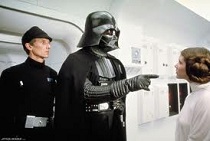
   No prologues. No setting up for beautiful scenery, no wasting time to introduce the whole cast and telling all their histories. Start with the action. It’s like in Star Wars: A New Hope. GL didn’t start with the farm boy fixing the machine for whatever farm they were on. He started with this: A long time ago, in a galaxy far, far away… and then the tall guy in a large black suit capturing the rebel princess with the plans to a deadly space station. We didn’t know how the princess got on the ship or how she got the plans or how she even got started with the rebellion. But we were interested!

2) Make something unusual happen, something out of the ordinary
    Be careful not to go outlandish here. When the writer does something really big on the first page, the element of surprise is lost although it can be done tastefully by some writers. But the point here is that it doesn’t have to be something totally off the chain, just something that makes the reader say, “Huh? What was that?”

Versus Telling: The grass is green.

3) Show
   I just did a post yesterday on showing versus telling and I said that there are times where you need both. In the first page, showing is the best way to go. Because showing invokes the reader and the senses, this is a quick and easy way to hook the reader. These kinds of openings get me every time, even if the rest of the story stinks. If you can invoke my senses on the first page, I’m in.


4) Set the tone and mood
   This ties in with showing. Set the tone and voice of the novel right way. If I’m not hooked with showing, setting the tone does. What’s the tone? Dark? Cynical? Optimistic? Happy? What’s the MC feeling?

Courtesy of flikr.com
5) Set the stage
   This may seem contradictory to my no set up comment before. But a paragraph detailing exactly where the action is taking place doesn’t hurt because it captures the imagination of the reader so they can see the world the writer is trying to entice them into. It works.

So these are just some tips. Hope they helped. Heck it helped me. I really need to take my own advice and work on that setting the stage…


P.S. In trying to get the first page right, please remember to actually write the rest of the book. I know people that seem to forget they have to do that.

  • Digg
  • Del.icio.us
  • StumbleUpon
  • Reddit
  • RSS